built · human · deep · changing
Who Invented Halloween?
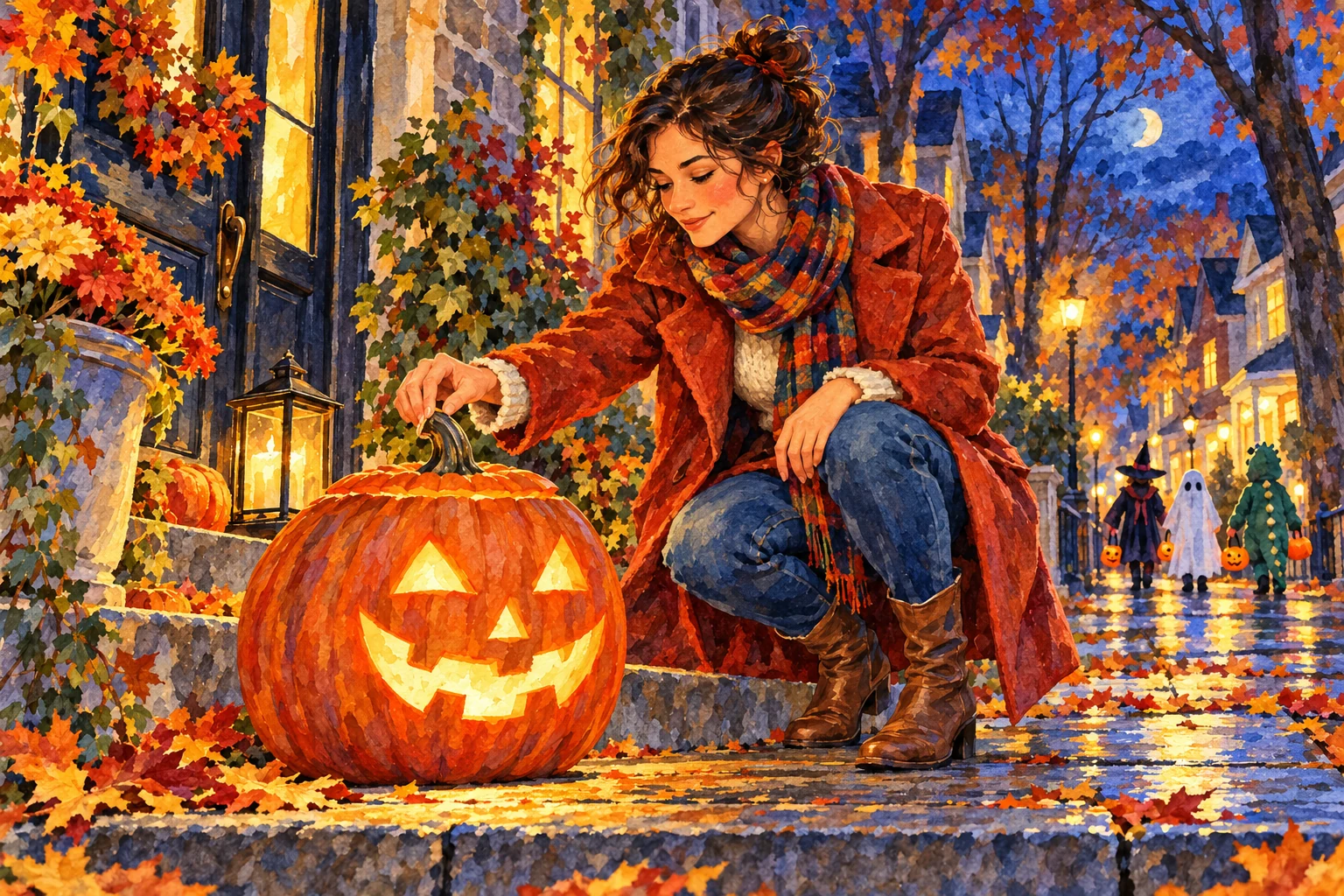
Who invented Halloween? No single person did. The holiday took shape over centuries as harvest celebrations, Christian holy days, local customs, and new ideas came together. Even the pumpkin on a modern doorstep has a history of its own. Follow its light backward, and the familiar orange face becomes a stranger-looking lantern.
Winter at the threshold
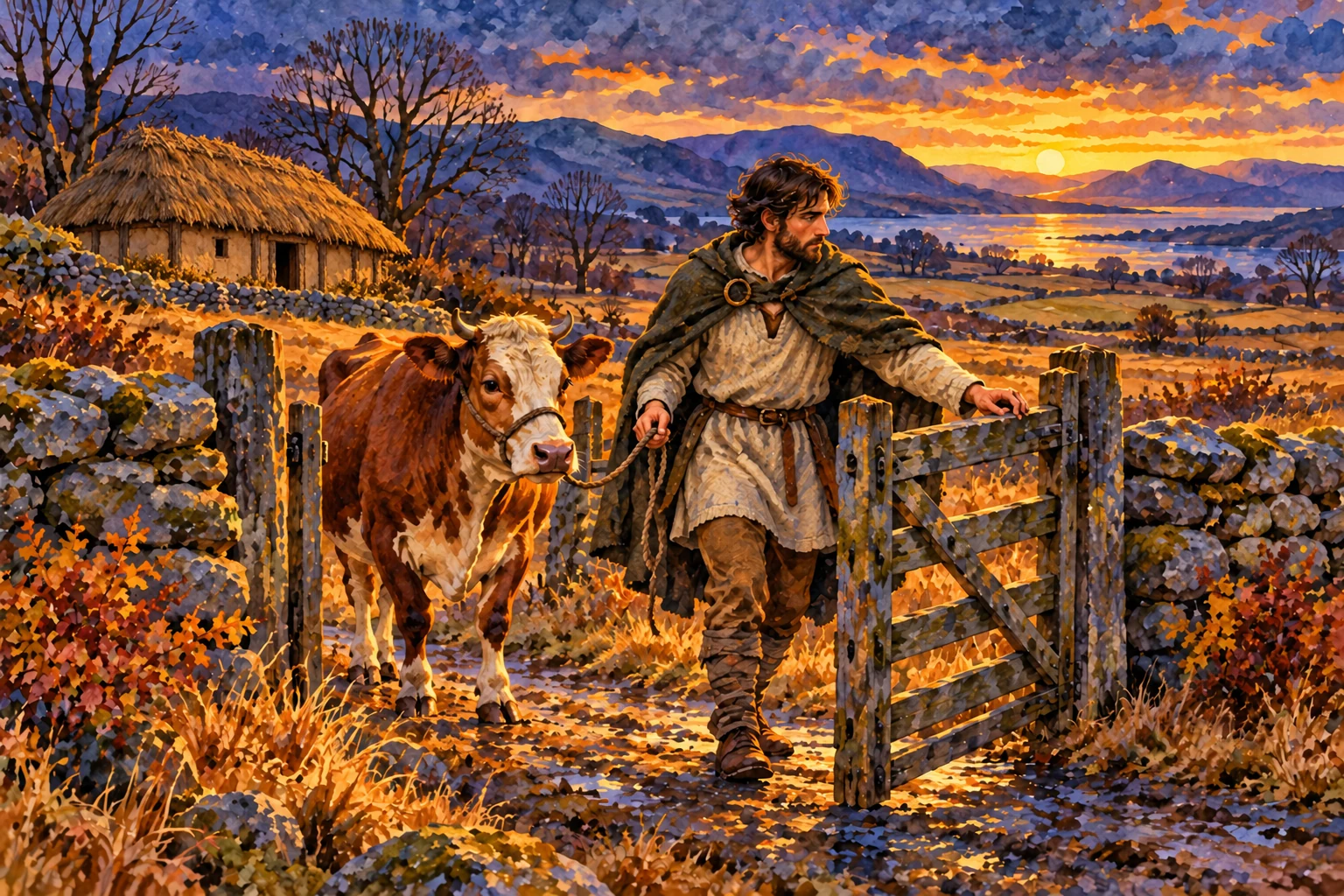
One strand reaches back to Samhain, a seasonal festival in the Gaelic world. It marked the beginning of winter, with celebrations on the evening before November 1. In later Irish tradition, families feasted and played games as darkness gathered. People told stories of the dead returning home, making an ordinary doorway feel mysterious after sunset.
The name hidden in the night
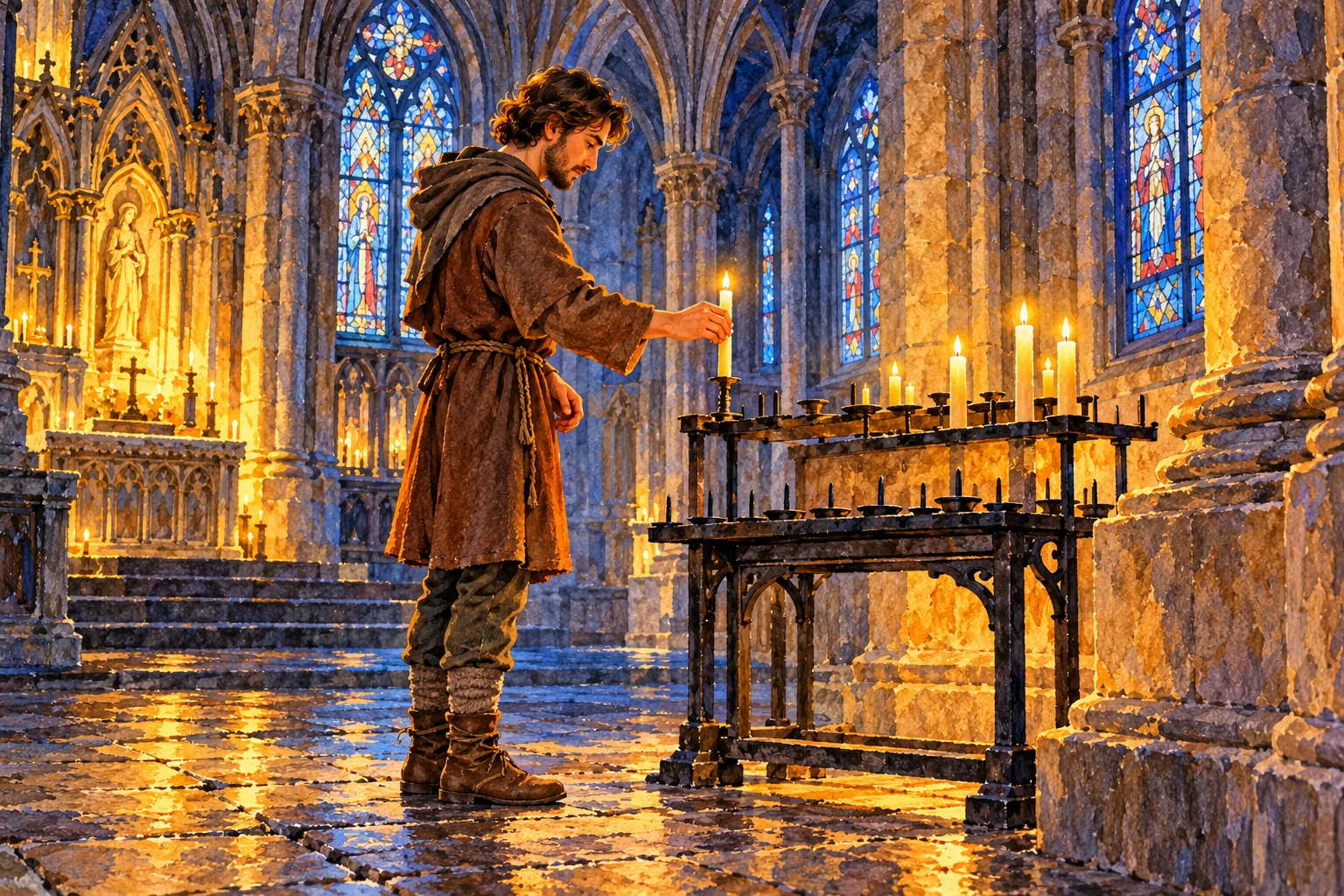
The name has a Christian history. All Saints’ Day, also called All Hallows’ Day, falls on November 1. Its evening before was All Hallows’ Eve, which became Halloween. That explains October 31. The familiar name and older seasonal customs belong to different strands of the story, woven together over time.
A disguise at the door
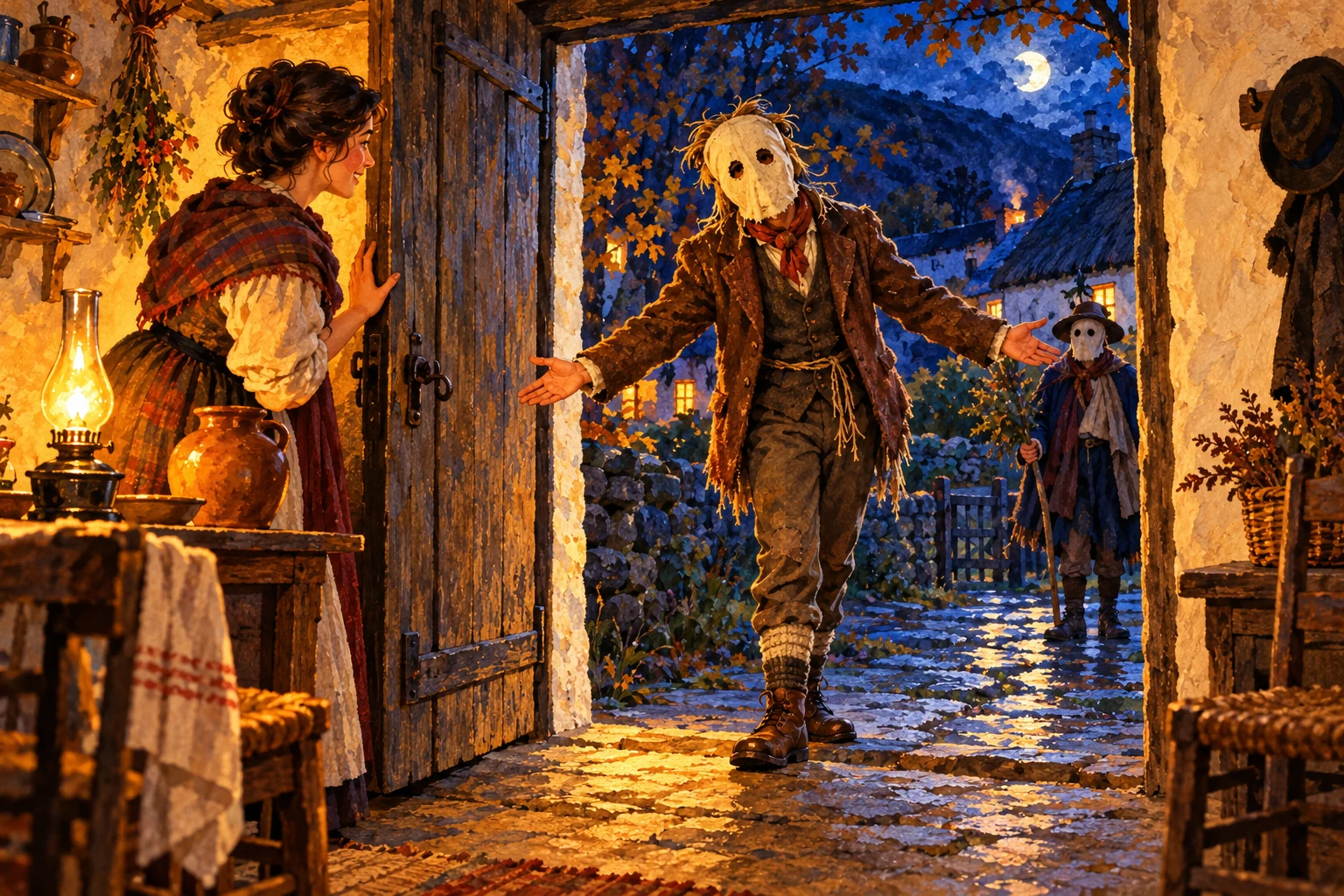
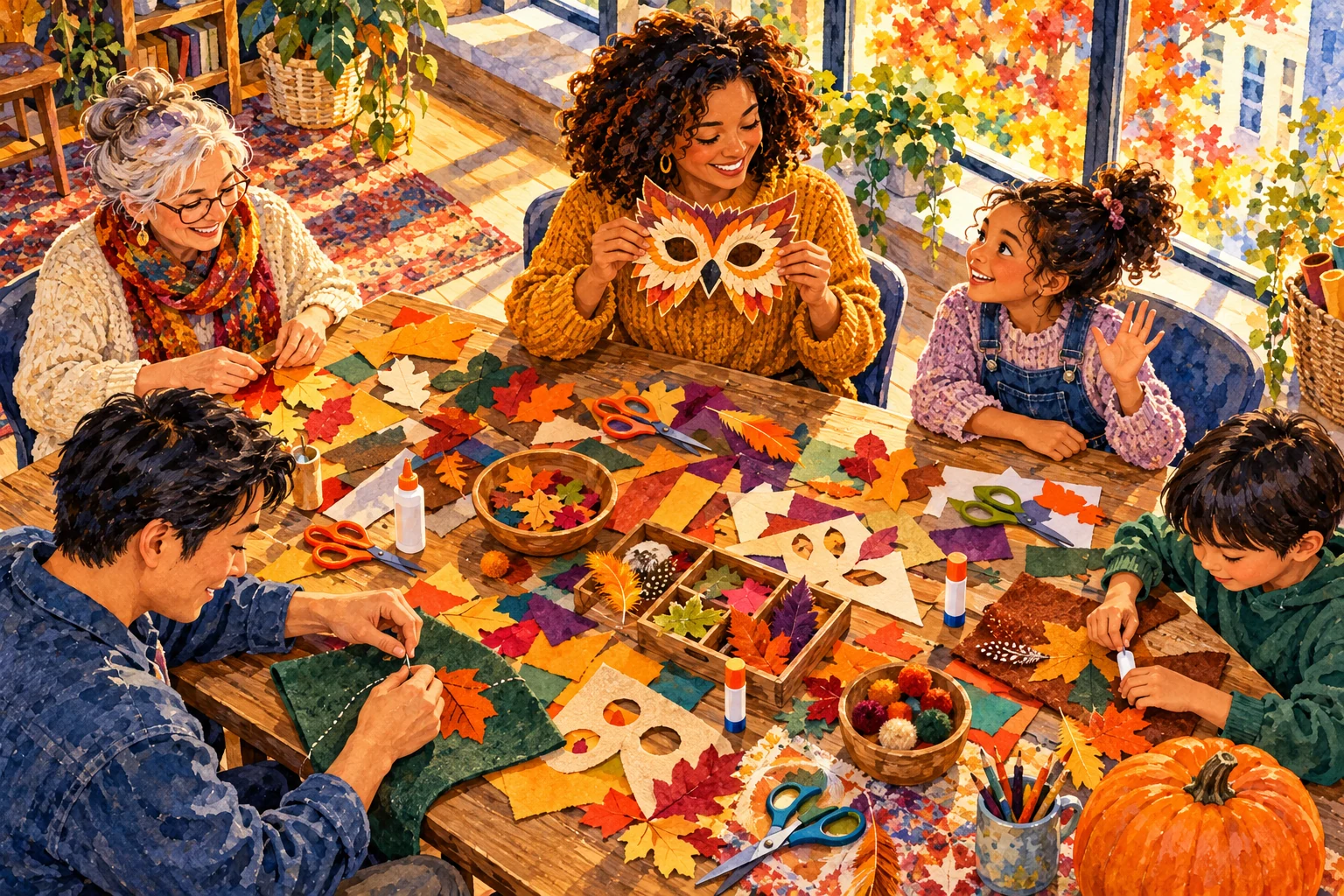
In Ireland, Halloween visitors sometimes hid their identities behind homemade masks. These guisers went from house to house, frightening or entertaining their neighbors. Related visiting customs existed elsewhere, too. Such traditions help explain the holiday’s love of disguise, but there is no neat, proven line from every old masked visitor to today’s trick-or-treater.
Before the pumpkin
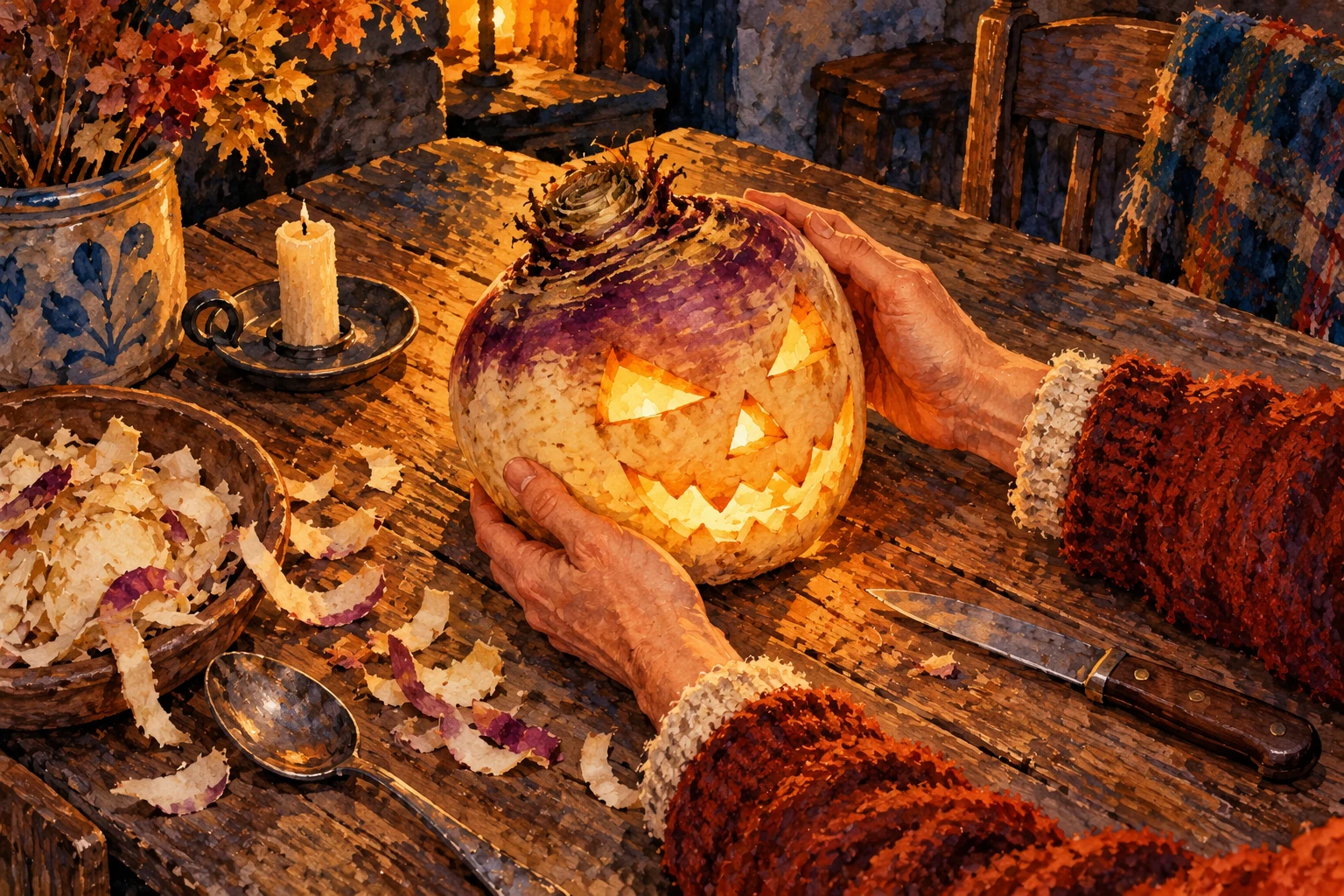
Before the glowing orange pumpkin came a different face in the dark. In Ireland, people hollowed out turnips, cut frightening features into them, and placed candles inside. Carried through the night, these lanterns could startle a neighbor. A plaster cast in the National Museum of Ireland preserves the shape of one of these eerie lanterns.
Jack belongs to the stories
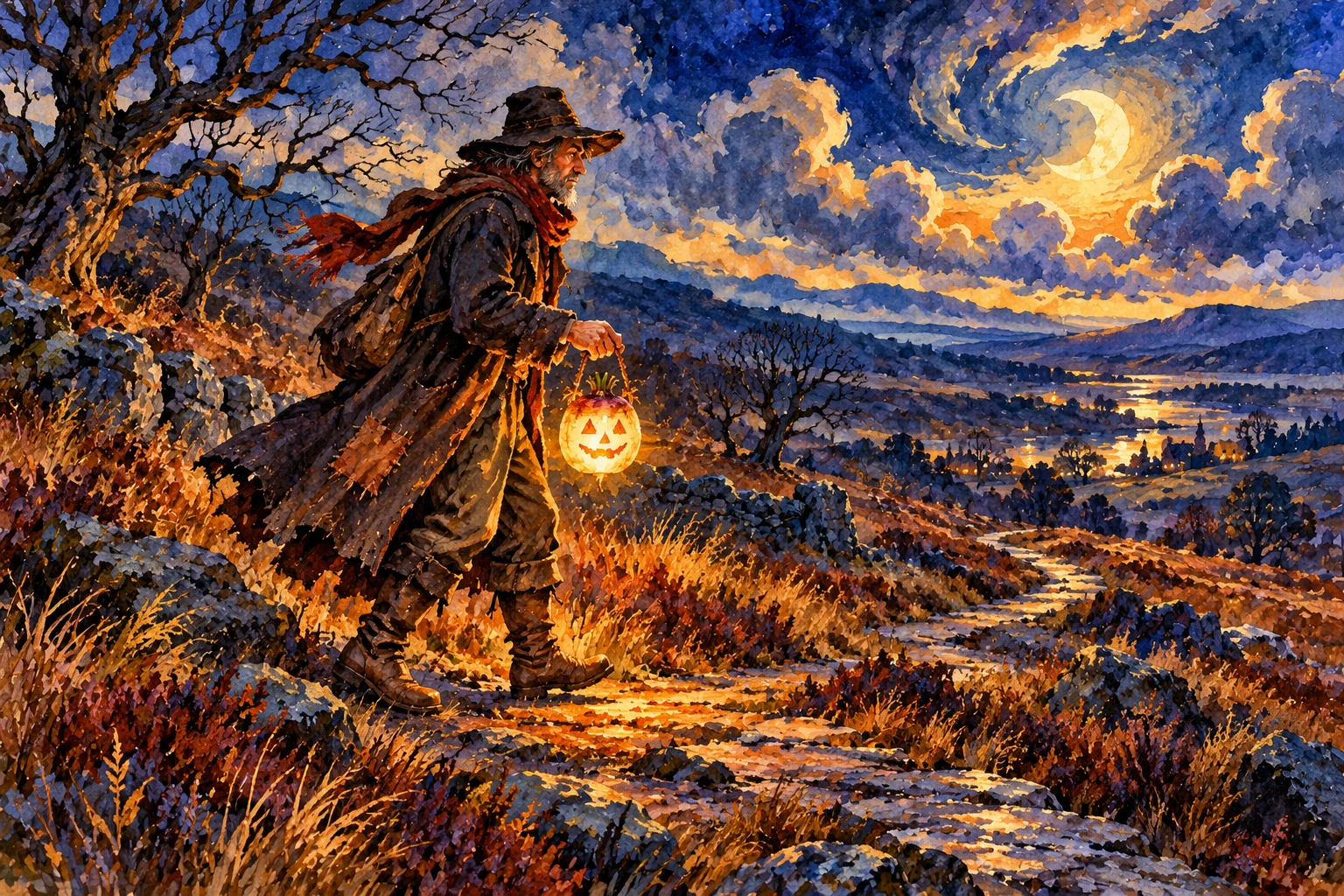
The lantern also gathered stories. In Irish folklore, Jack was barred from Heaven and Hell and wandered with an ember inside a turnip. But the name has a separate written history: in seventeenth-century Britain, a jack-o’-lantern could mean a man carrying a lantern. How that name became attached to carved pumpkins is less certain than the legend suggests.
An American face
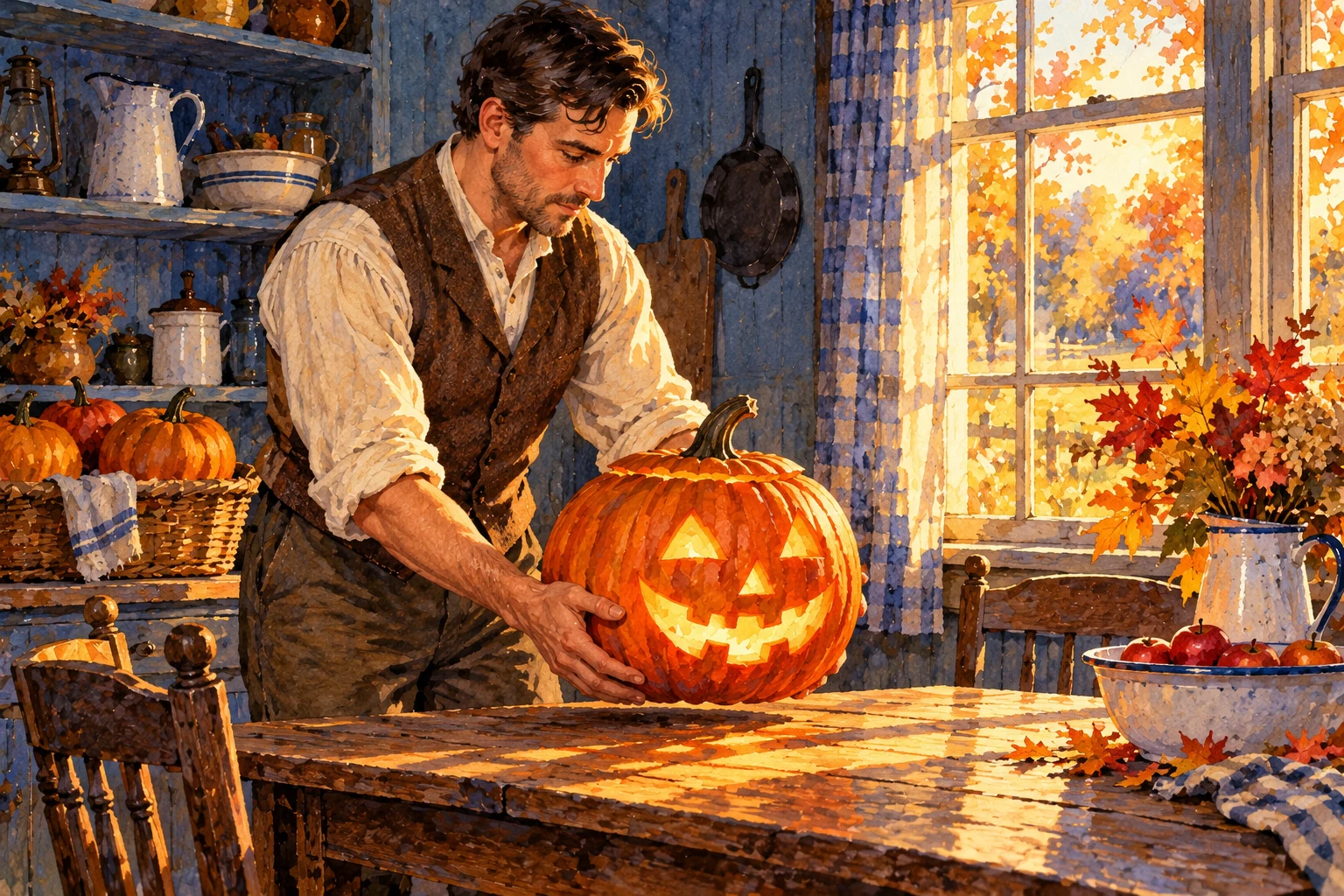
Irish emigrants carried lantern-making customs across the Atlantic. In America, pumpkins offered a new material: plentiful and easier to carve than turnips, as Galway City Museum explains. The lantern kept its glowing face but changed its shape. Over time, the large orange pumpkin became a familiar Halloween sight on American doorsteps.
When treats became the main event
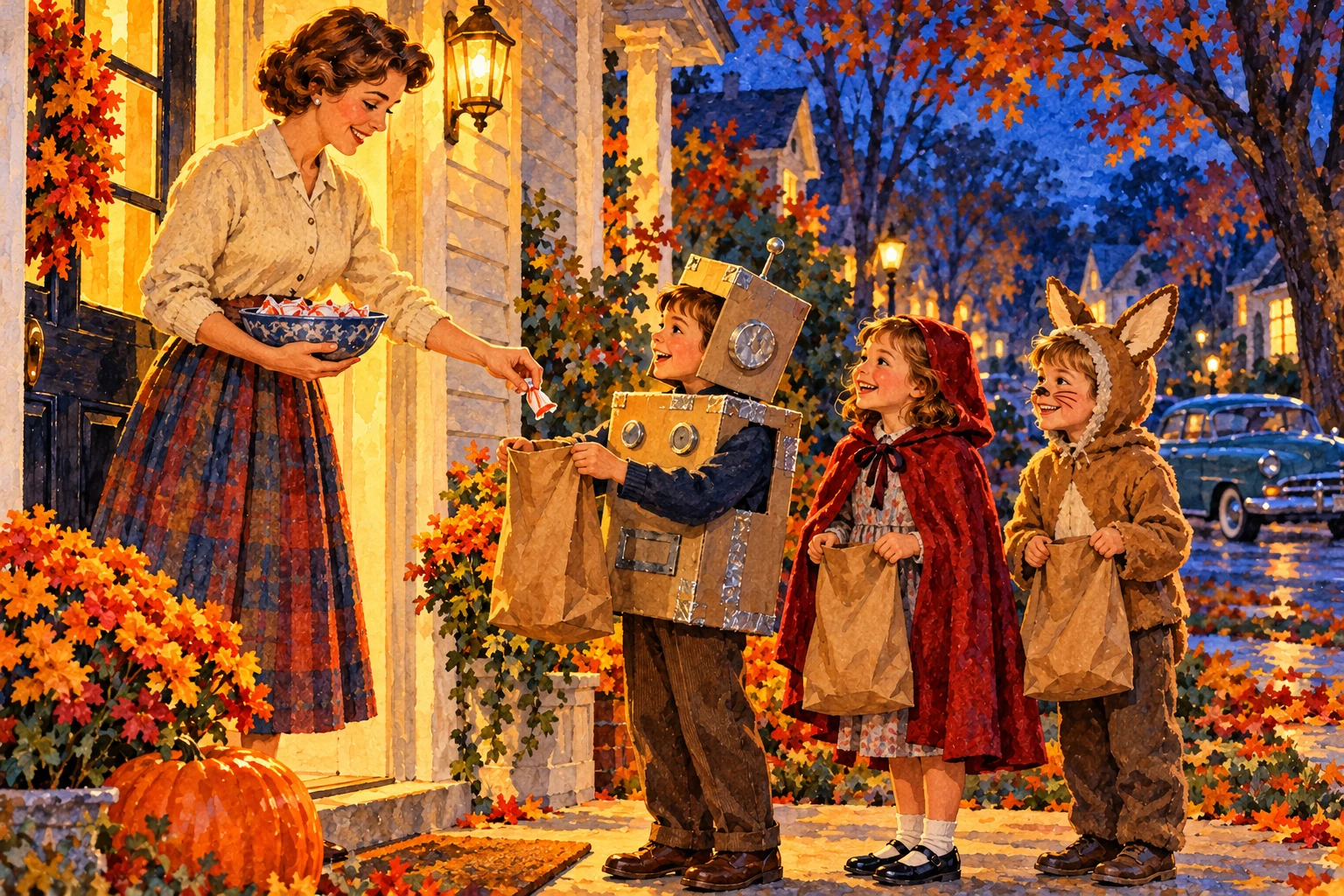
After World War II, adults encouraged children to ask neighbors for treats rather than play destructive tricks. Radio and television helped spread the custom. “Trick or treat” kept the implied bargain: a treat instead of a prank. As visits multiplied in the 1950s, candy companies promoted small, individually wrapped sweets. Their convenience helped make candy customary, though fruit, coins, and homemade treats still filled many bags.
Still being invented
Return to the pumpkin on the doorstep. Its light now carries several stories: seasonal celebrations, holy days, masked visits, turnip lanterns, and American reinventions. No single person invented Halloween. Generations of families, migrants, storytellers, and makers shaped it. As neighbors create new costumes and carve new faces, they keep adding to the holiday we recognize today.