Germ Invasion Battle
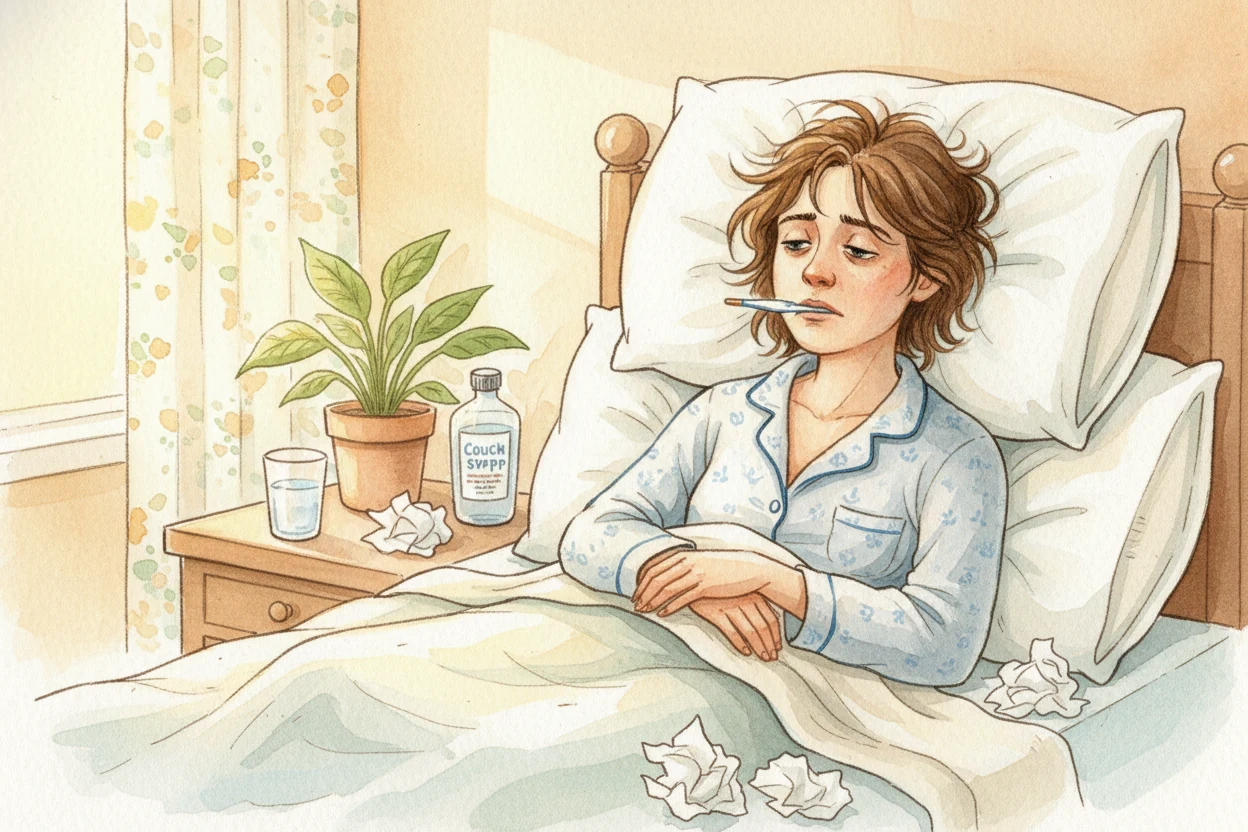
You wake up with a scratchy throat and a stuffy nose. Your head feels foggy. "I'm sick," you groan. But what does that actually mean? What's happening inside your body right now?
Meet the troublemakers: germs. They're tiny living things โ bacteria and viruses โ so small that a million could fit on the period at the end of this sentence. They're everywhere: on doorknobs, in the air, on your phone. Most are harmless. Some are even helpful. But a few are looking for a place to set up camp and multiply.
When you breathe in a cold virus or touch a bacteria-covered surface and then rub your eyes, those germs slip past your body's outer defenses. They land on the warm, wet surfaces inside your nose or throat. To them, your body looks like a five-star hotel with an all-you-can-eat buffet.
Once inside, germs do what all living things do: they make copies of themselves. One virus becomes two. Two become four. Four become eight. Within hours, you've got thousands. Bacteria divide even faster. They're not trying to hurt you โ they're just trying to survive and spread. But their multiplication is the problem.
Your body notices the invasion. Immune cells โ your internal security team โ rush to the scene. They release chemicals that trigger inflammation, which is your body cranking up the heat and sending extra blood to the infected area. That's why your throat turns red and swollen. The inflammation itself makes you feel lousy: achy, feverish, congested.
Some germs cause damage directly. Bacteria might punch holes in your cells to steal nutrients. Viruses hijack your cells like pirates taking over a ship โ they force the cell to build more viruses instead of doing its normal work. When the cell is full, it bursts open, releasing hundreds of new viruses. Your body registers this cellular destruction as "feeling terrible."
Meanwhile, your immune system is fighting back hard. It kills infected cells. It marks germs for destruction. It raises your body temperature โ fever makes it harder for many germs to multiply. All this warfare creates debris: dead cells, dead germs, fluid. That debris is what comes out when you blow your nose or cough. Gross, yes. But it means you're winning.
After a few days, your immune system gets the upper hand. The germ population crashes. Your symptoms fade. Your body cleans up the wreckage and rebuilds damaged tissue. And here's the bonus: your immune cells remember this specific germ. If it ever tries to invade again, your body will recognize it instantly and crush it before you even feel sick. You've leveled up.