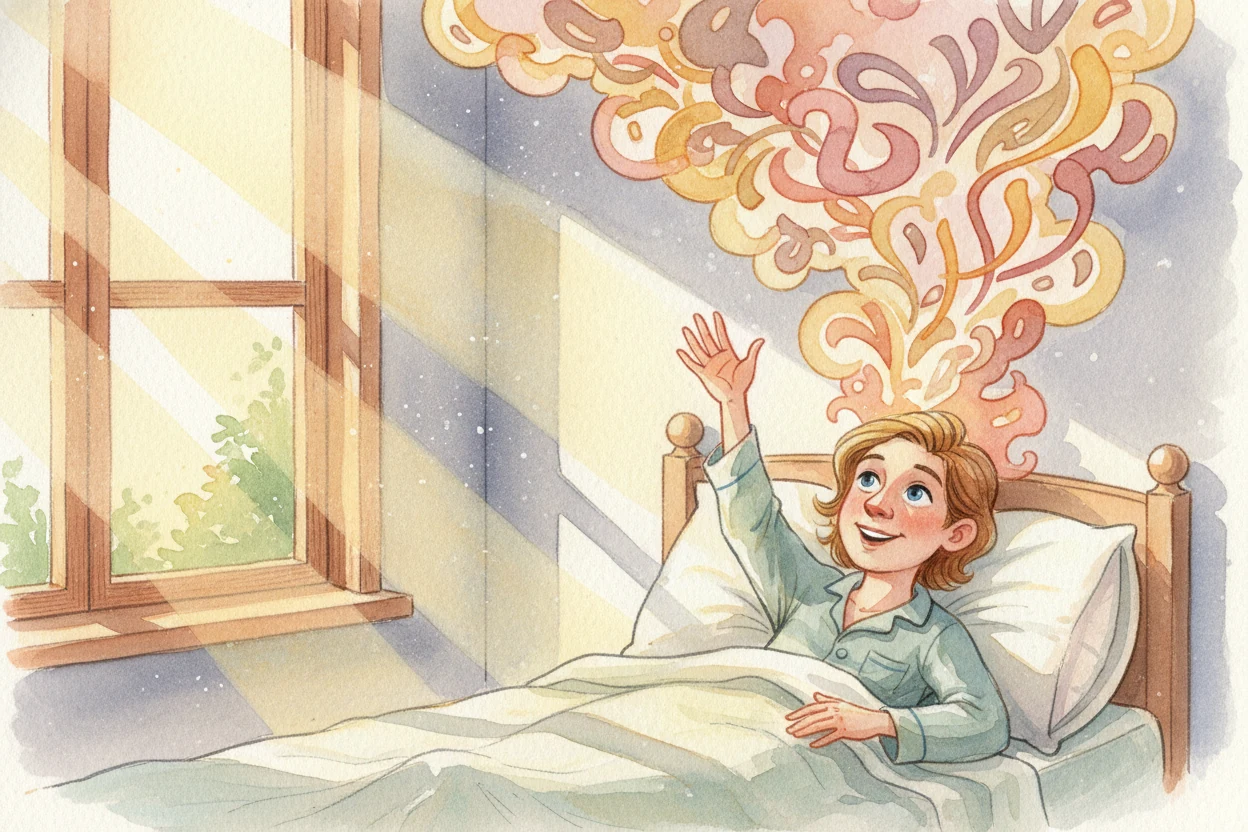
Word Factory
Right now, you're reading words that didn't exist a thousand years ago. "Internet." "Selfie." "Astronaut." Where did they come from? Did someone just wake up one morning and decide to invent them?
Actually, yes. New words are invented all the time, and humans have been doing it for as long as we've had language. When something new enters the world โ a gadget, an idea, a feeling we've never named โ we need a word for it. So we make one up.
The simplest way? Smash two old words together. "Breakfast" is just "break" plus "fast" โ you're breaking the nighttime fast when you eat in the morning. "Laptop" is a computer that sits on your lap. "Bookworm" is someone who burrows into books like a worm into an apple.
Sometimes we borrow from other languages. "Pizza" came from Italian. "Safari" came from Swahili. "Robot" came from Czech โ it meant "forced labor" in a 1920s science fiction play, and the word stuck because people loved the idea of mechanical workers.
Other times, we make a sound into a word. "Buzz." "Sizzle." "Crash." These words sound like what they mean, and we just started using them. Comic books are full of these: "Pow!" "Whoosh!" "Splat!" If you can hear it, you can probably turn it into a word.
Brand names can become words too. "Googling" something means searching online, even if you're not using Google. People "xerox" documents even on other copy machines. When a company's product becomes so common that everyone uses its name for the whole category, the word escapes into the wild.
The internet turbocharged word creation. "Emoji." "Hashtag." "Meme." Millions of people online can spread a new word around the world in days. Someone types a funny combination, it catches on, dictionaries notice people actually using it, and boom โ it's official.
Sometimes words appear because we need them desperately. During the pandemic, "doomscrolling" named the thing we were all doing โ endlessly scrolling through bad news, unable to stop. The feeling existed; someone finally gave it a name, and everyone recognized it immediately.
Here's the secret: you can make up words too. Authors do it constantly. Shakespeare invented "eyeball," "lonely," and "bedroom." Dr. Seuss made up "nerd." If your made-up word is useful or funny or perfectly captures something nameless, people might start using it. And then it's real.