Ocean's Shape-Shifters
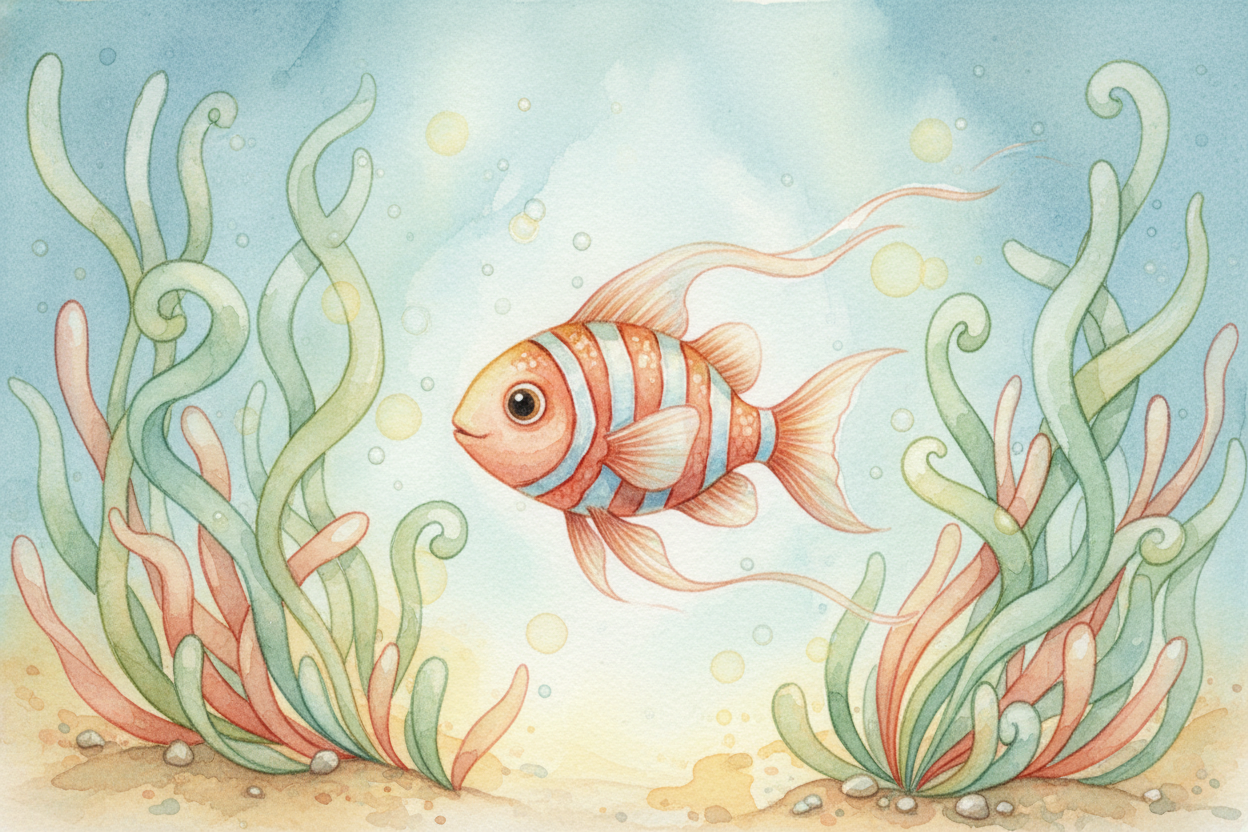
Imagine you're a clownfish, bright orange and white, living in your sea anemone home. Right now you're a boy fish. But if something big changes in your reef — boom — your body can switch you into a girl fish. No surgery, no medicine. Just your own body, rewriting itself like flipping a light switch. Why would nature build animals this way?
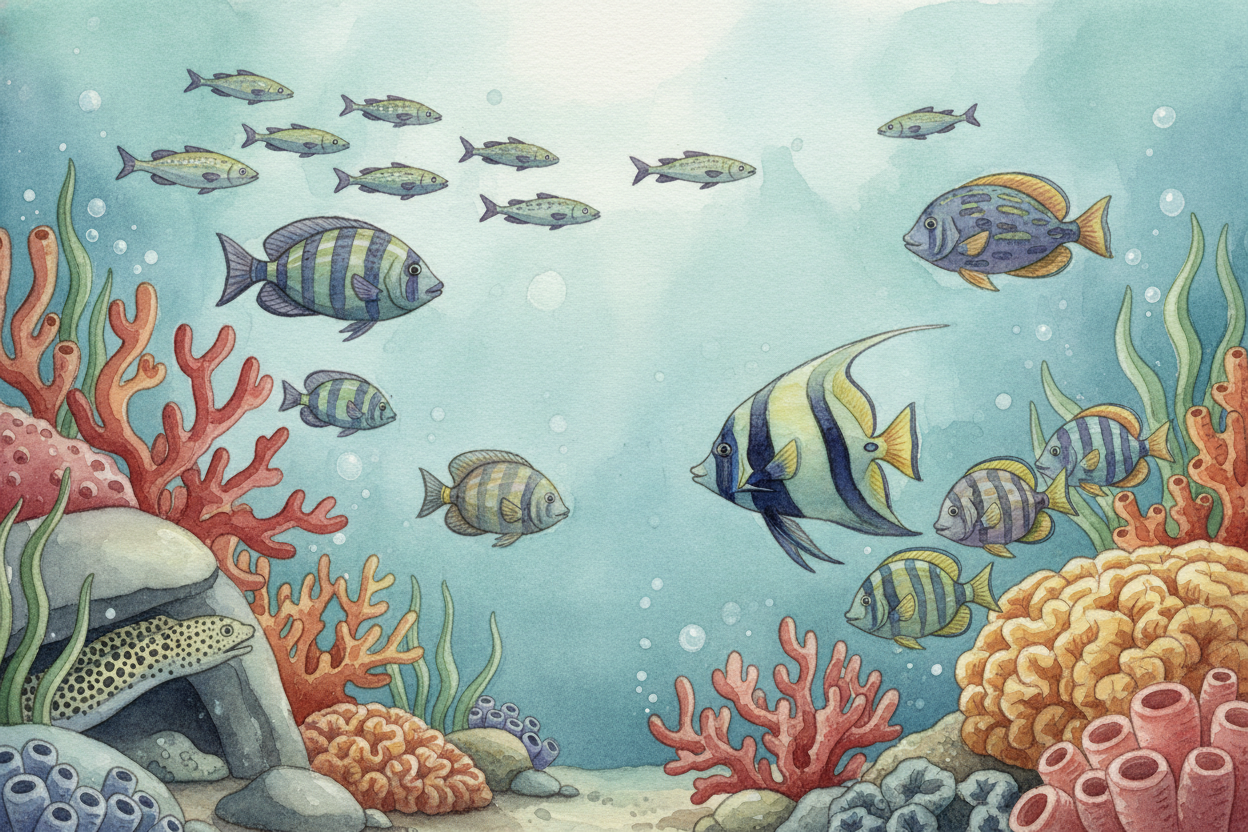
Most animals are born one sex and stay that way forever. You're born, you grow up, you're done. But some animals play by different rules. They can change from male to female, or female to male, whenever their environment says "now's the time." It's called sequential hermaphroditism — a fancy term that just means "one sex, then the other, in order."
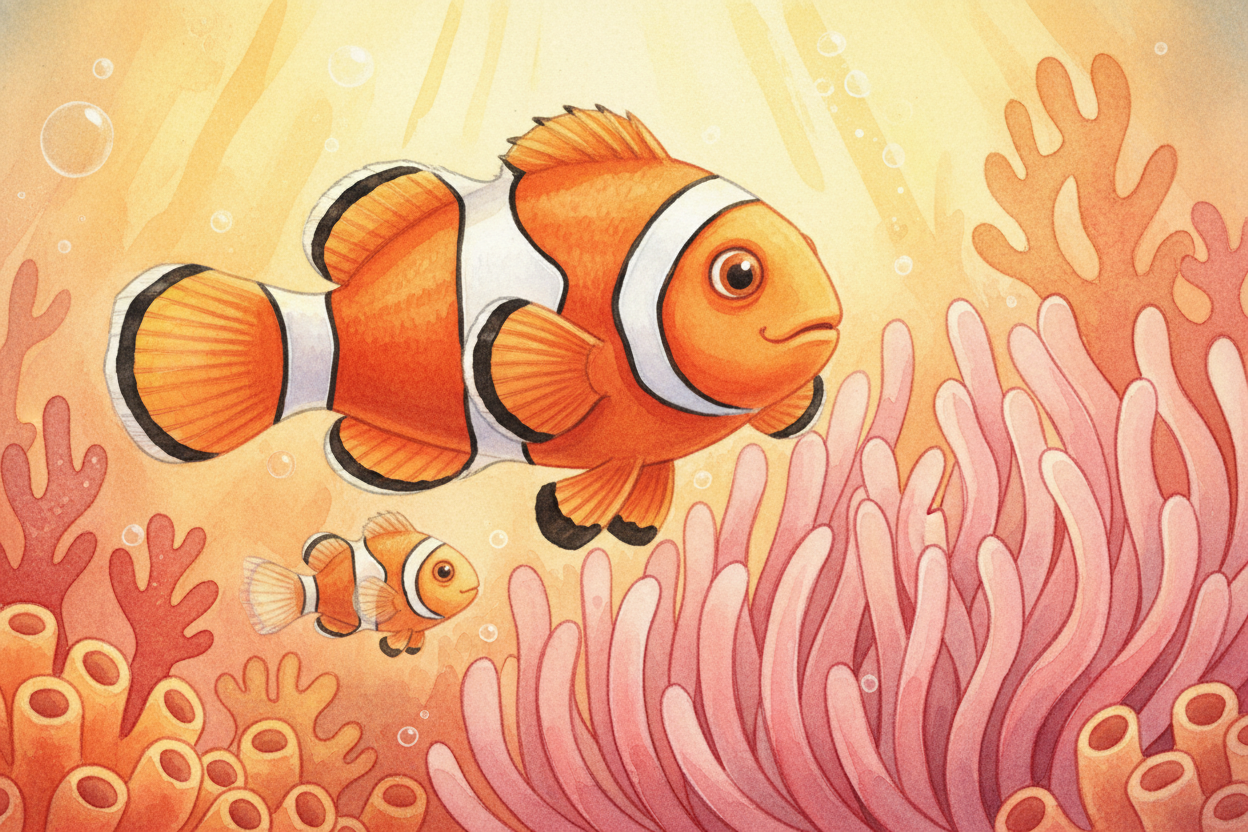
Here's why it's brilliant: size matters differently for males and females. A tiny female clownfish can still lay plenty of eggs — her size doesn't limit her much. But a tiny male? He's going to lose every fight for a mate against the big guys. So clownfish are born male when they're small, then switch to female once they're big and strong. The biggest fish in the anemone is always the breeding female. It's like earning a promotion when you're finally tall enough.
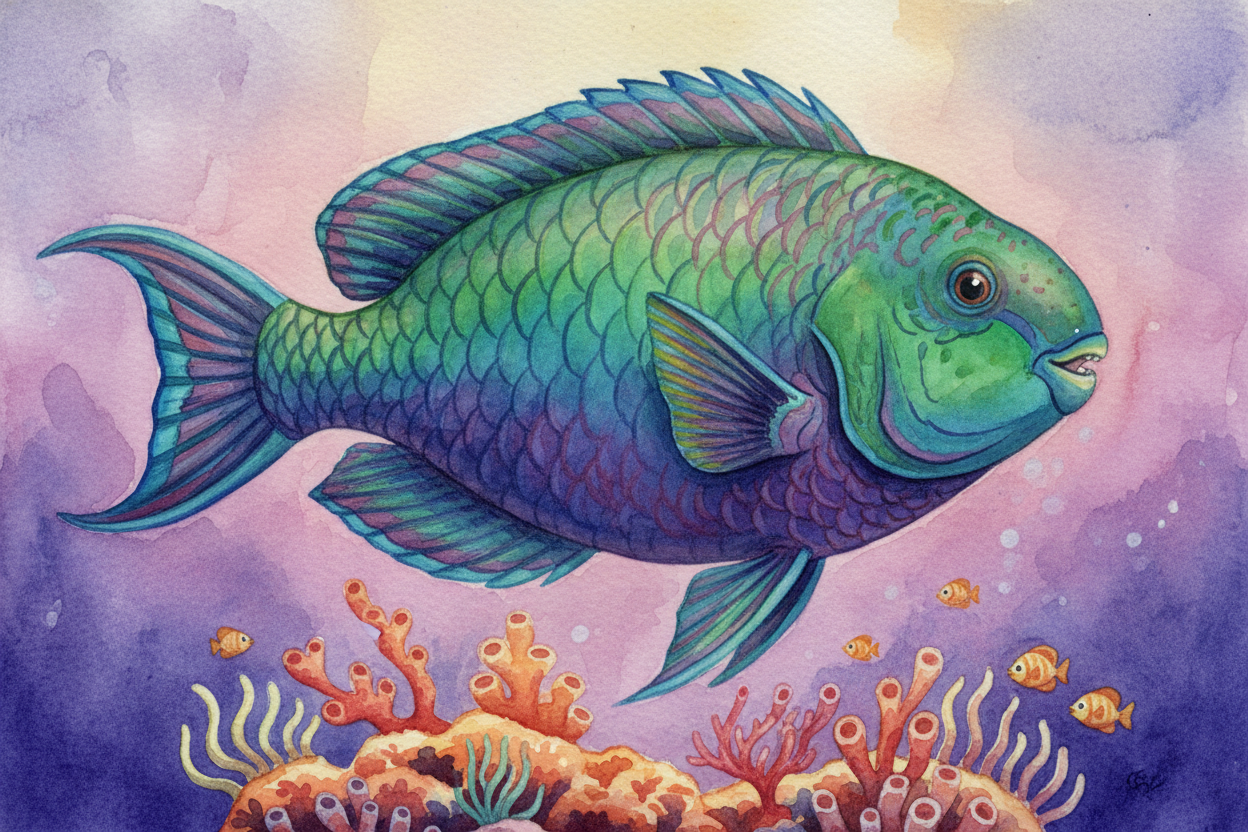
Some fish do the opposite flip. Wrasses and parrotfish are born female, then change to male when they're huge. Why? Because one big flashy male can mate with many females — so it pays to become male only once you're large enough to defend a territory and dazzle everyone. When the dominant male dies, the largest female's body kicks into gear: her ovaries shrink, her testes grow, her colors blaze brighter. Within weeks, she's a he.
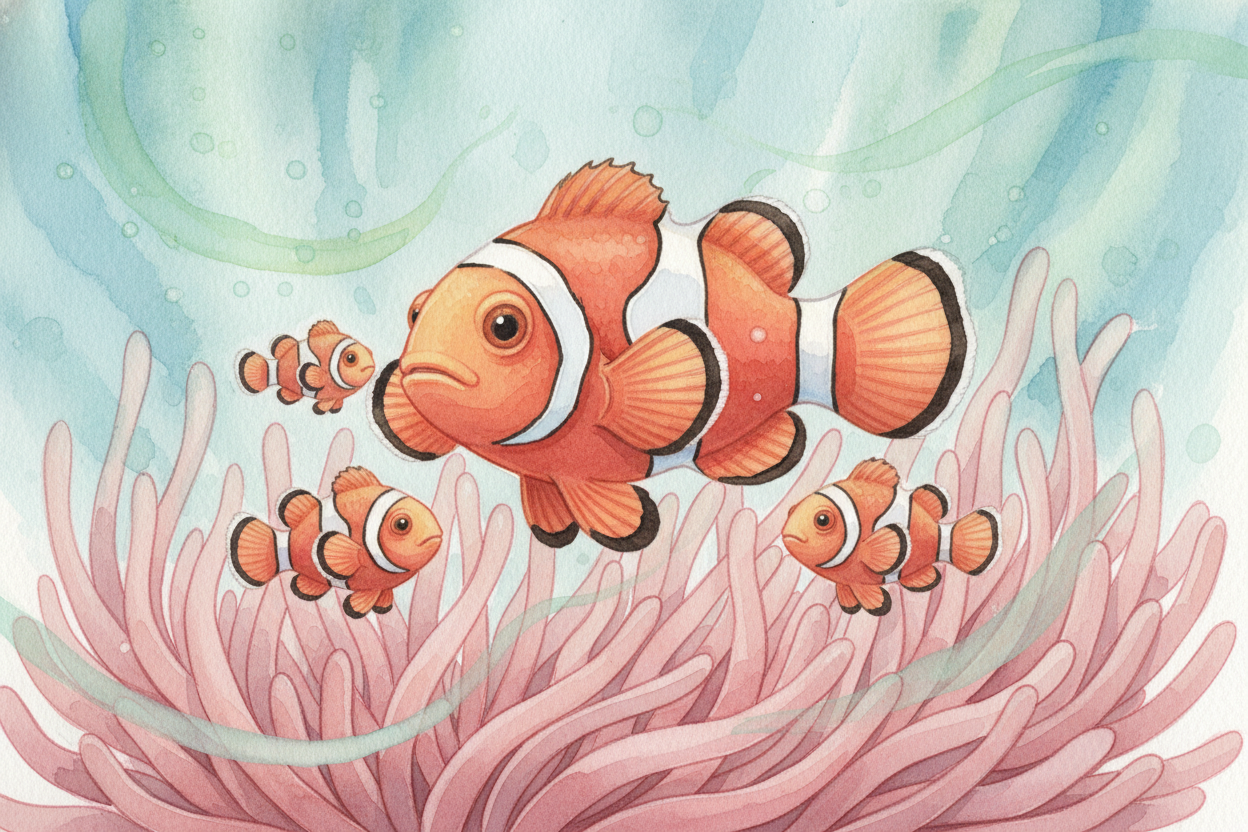
The trigger is social. In a clownfish group, the biggest fish releases chemical signals that keep everyone else from changing. She's basically saying "I'm the female, you all stay male." But if she disappears — eaten by a predator, swept away by a current — that signal vanishes. The next-biggest fish feels the absence like a door opening. His brain tells his body: time to change. Hormones flood in, ovaries develop, behavior shifts. The transformation takes a few weeks.
It's not magic — it's flexibility. These fish have the genetic instructions for both male and female already written into every cell. Normally one set of instructions is switched on, the other switched off. Changing sex means flipping those switches: turn off the male genes, turn on the female genes, let the body rebuild itself according to the new blueprint. The same toolkit, two different build modes.
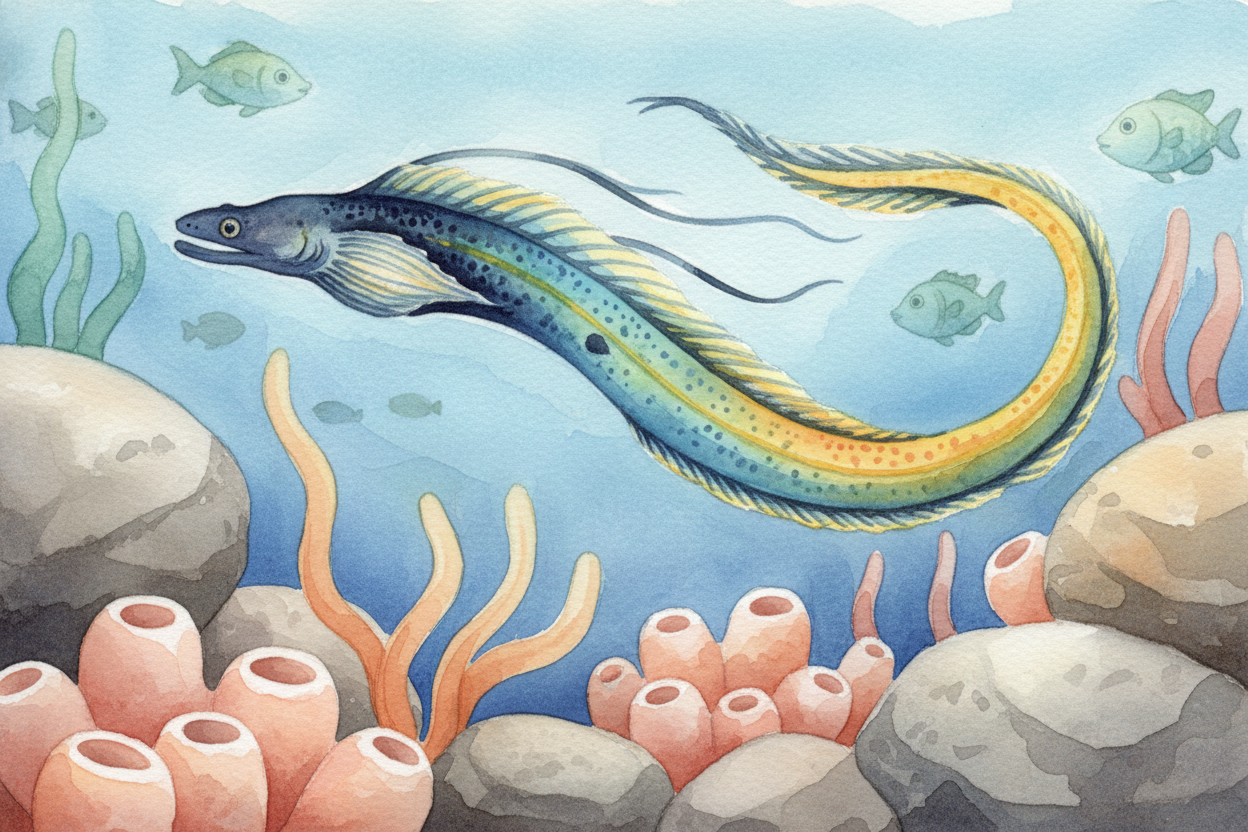
Other animals do it too. Some ribbon eels start female, become male. Certain oysters flip back and forth multiple times depending on water temperature and food — male one year, female the next, male again after that. A few frogs can switch sex if their pond has too many males or too many females, balancing the ratio. Even some lizards in the lab show the starting blocks of this ability. Evolution keeps this trick in the toolbox wherever it helps animals survive and reproduce.
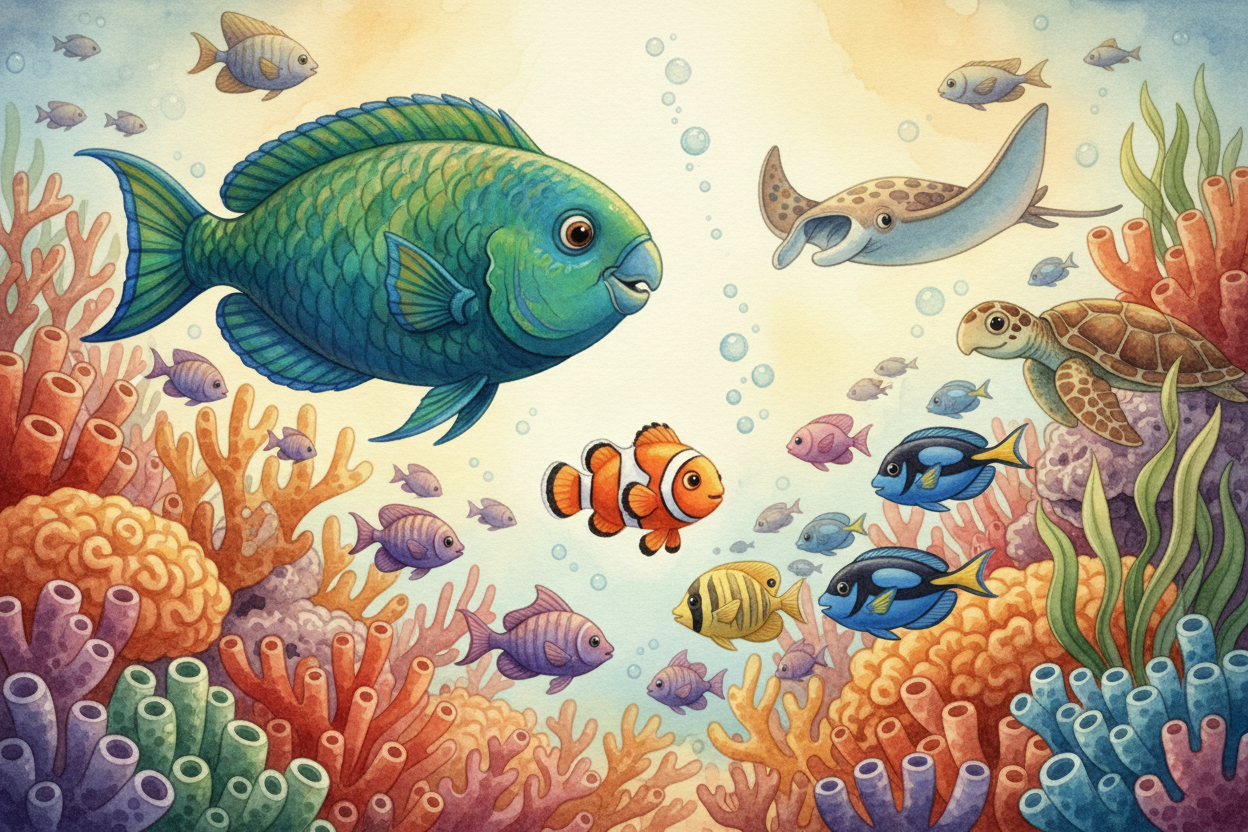
So why don't all animals do this? Because for most species — including us — the costs outweigh the benefits. Rebuilding your whole reproductive system takes time and energy. It only makes sense if the payoff is huge: when being big-and-female or big-and-male is so much better than being small-and-anything that it's worth the switch. Clownfish, wrasses, and their cousins live in worlds where that math works out. They're not confused. They're optimized.
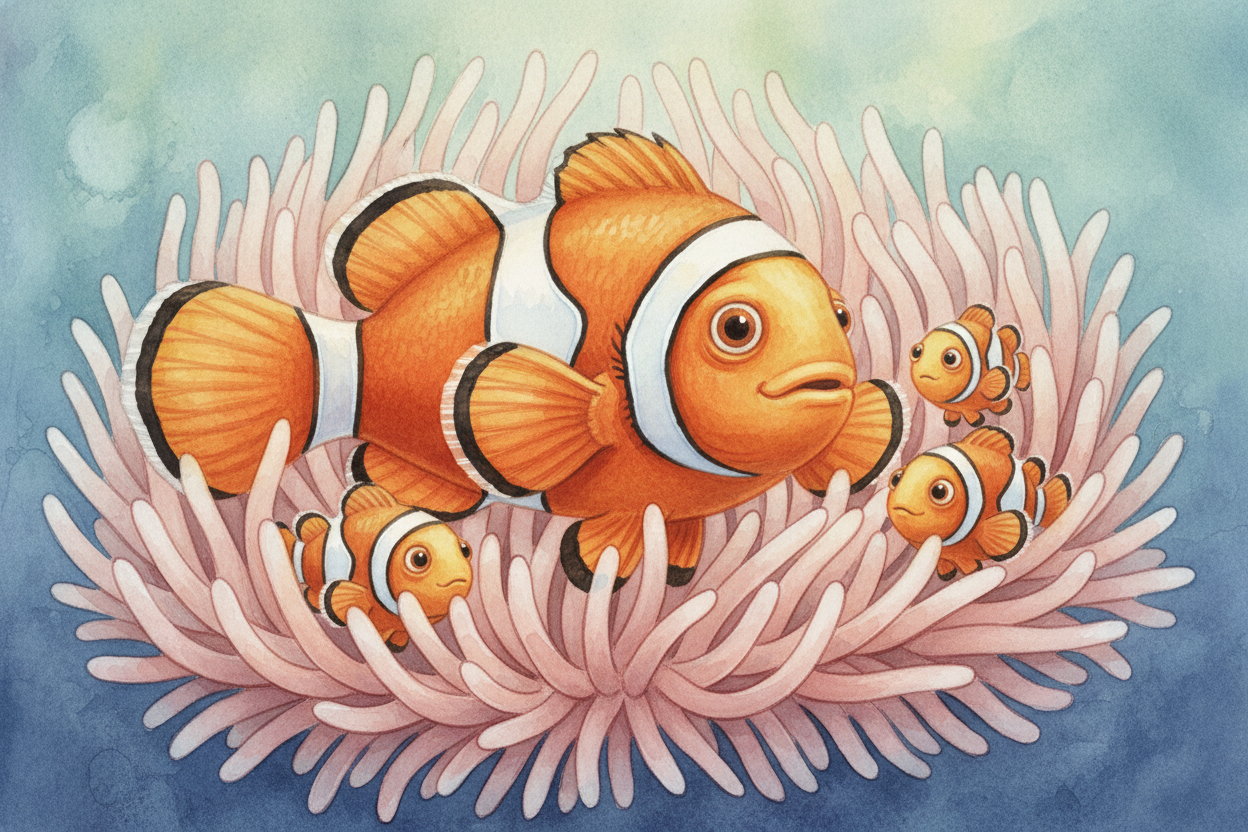
Next time you see a clownfish in an aquarium, remember: you might be watching a fish who used to be the opposite sex. That big, bold one guarding the anemone? Probably started life as a little guy. Now she's the queen of her tiny kingdom, and if she vanishes tomorrow, her favorite buddy will become the next queen. It's one of the ocean's coolest shape-shifting acts — and it happens without anyone waving a wand.
